
Understanding Sleep Tests: What to Expect During Your First Study

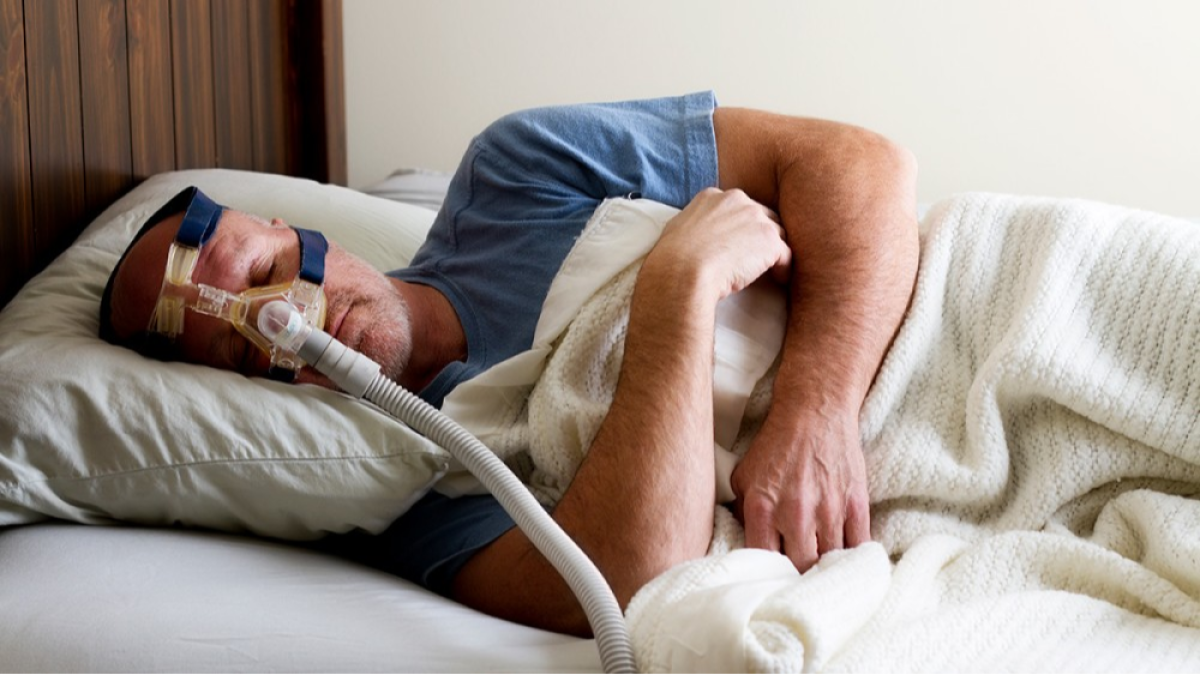
Introduction Sleep is vital for overall health, yet millions of Australians struggle with sleep disorders like sleep apnoea, insomnia, or restless leg syndrome. When sleep problems persist, a sleep test may be recommended. These studies provide invaluable insight into your sleep patterns, helping healthcare professionals diagnose issues and guide effective treatments. For first-time patients, understanding the process can ease anxiety and improve the experience. What is a Sleep Test? A sleep test, also called a sleep study, is a diagnostic procedure that monitors various physiological functions while you sleep. These tests measure: Brain activity (EEG) Eye movements Heart rate Breathing patterns Oxygen levels Muscle activity Modern sleep tests are highly accurate, enabling doctors to detect conditions such as obstructive sleep apnoea, narcolepsy, and periodic limb movement disorder. They are often the first step toward improving sleep quality and overall health. Preparing for Your First Sleep Study Preparation can significantly impact the accuracy and comfort of your sleep test. Key steps include: Maintain regular sleep patterns before the study Avoid caffeine and alcohol on the day of the test Bring personal comfort items such as a pillow or blanket Wear loose, comfortable clothing Following these steps helps ensure a smooth and productive night, whether your study is conducted in a clinic or at home. In-Lab vs Home Sleep Studies In-Lab Sleep Studies (Polysomnography) Conducted in a specialised sleep clinic Monitored by trained sleep technicians Tracks multiple sleep variables simultaneously Suitable for complex sleep disorders Home Sleep Tests Performed in the comfort of your own bed Monitors key variables like oxygen levels and breathing Less invasive and more convenient Ideal for patients with suspected sleep apnoea Both types have advantages, and your doctor will recommend the most appropriate option for your needs. What to Expect During the Night During a sleep study, you may experience a few new sensations: Attachment of sensors and electrodes: Tiny, painless patches monitor your body Wearing a nasal cannula or finger sensor to track breathing and oxygen Movement restrictions: You may need to sleep in a specific position for accurate data Despite these minor adjustments, many patients find they can sleep relatively normally. Technicians are available to help if you feel uncomfortable or anxious. How Sleep Test Results Are Used After the study, a sleep specialist analyses the data to identify patterns or abnormalities. Results can help: Diagnose specific sleep disorders Guide treatment plans (e.g., CPAP therapy, lifestyle adjustments) Monitor treatment effectiveness over time Patients often receive a detailed report, and their doctor will discuss findings, answer questions, and outline next steps. Benefits and Potential Discomforts Benefits Improved diagnosis of sleep disorders Targeted treatment for better sleep quality Enhanced daytime energy and focus Reduction of long-term health risks such as heart disease and high blood pressure Potential Discomforts Mild skin irritation from electrodes Slight disturbances in sleep due to monitoring equipment Temporary dryness or discomfort from nasal cannula Modern sleep testing equipment has become more comfortable, accurate, and less intrusive, improving the overall experience compared to older…

Continue ReadingUnderstanding Sleep Tests: What to Expect During Your First Study

Sleep Disorders Testing: Identifying the Root Cause of Your Sleep Issues

Do you often find yourself tossing and turning at night, unable to fall asleep? Or perhaps you constantly wake up throughout the night, leaving you feeling tired and sluggish during the day. If so, you may be one of the millions of people suffering from sleep disorders. Identifying the root cause of your sleep issues is the first step towards getting the restful and rejuvenating sleep your body and mind need. In this article, we will explore the importance of sleep, common types of sleep disorders, the science behind these disorders, the process of sleep disorders testing, and interpreting sleep study results. Understanding the Importance of Sleep Getting enough quality sleep is crucial for our overall well-being. Sleep plays a vital role in both our physical and mental health. When we sleep, our bodies undergo a complex series of processes that are essential for our well-being. Not only does sleep allow our physical bodies to rest, but it also provides an opportunity for our brains to consolidate memories, process emotions, and reset for the day ahead. The quality of our sleep directly impacts our cognitive abilities, emotional regulation, and overall performance in daily activities. In conclusion, sleep disorders can significantly impact our physical and mental health. Identifying the root cause of your sleep issues through the sleep disorders test is vital for appropriate diagnosis and treatment. By understanding the importance of sleep and the science behind sleep disorders, you can take steps towards achieving the restful sleep you deserve. The Role of Sleep in Physical Health Sleep is essential for the body to repair and rejuvenate itself. During sleep, our cells go into overdrive, repairing any damage, replenishing energy stores, and strengthening the immune system. Adequate sleep has been linked to a lower risk of obesity, heart disease, diabetes, and other chronic conditions. Furthermore, deep sleep stages are crucial for the body to release growth hormones that aid in muscle repair, bone density, and overall physical development. Without sufficient deep sleep, individuals may experience a decrease in physical performance, slower recovery from injuries, and a higher susceptibility to illnesses. The Impact of Sleep on Mental Well-being Sleep is equally important for our mental health. It helps regulate mood, improve concentration and productivity, and enhance cognitive function. Lack of sleep has been associated with an increased risk of anxiety, depression, and other mental health disorders. Moreover, during the rapid eye movement (REM) stage of sleep, our brains process information from the day, form connections between memories, and promote creative problem-solving. This stage is crucial for learning, emotional regulation, and maintaining optimal brain function. Disrupting REM sleep can lead to cognitive deficits, emotional instability, and a decline in overall mental well-being. Common Types of Sleep Disorders There are several different types of sleep disorders, each with their own distinct characteristics and symptoms. Let's explore some of the most common ones. Insomnia: More Than Just Trouble Sleeping Insomnia is a sleep disorder characterized by difficulty falling asleep or staying asleep. It can be…

Continue ReadingSleep Disorders Testing: Identifying the Root Cause of Your Sleep Issues