
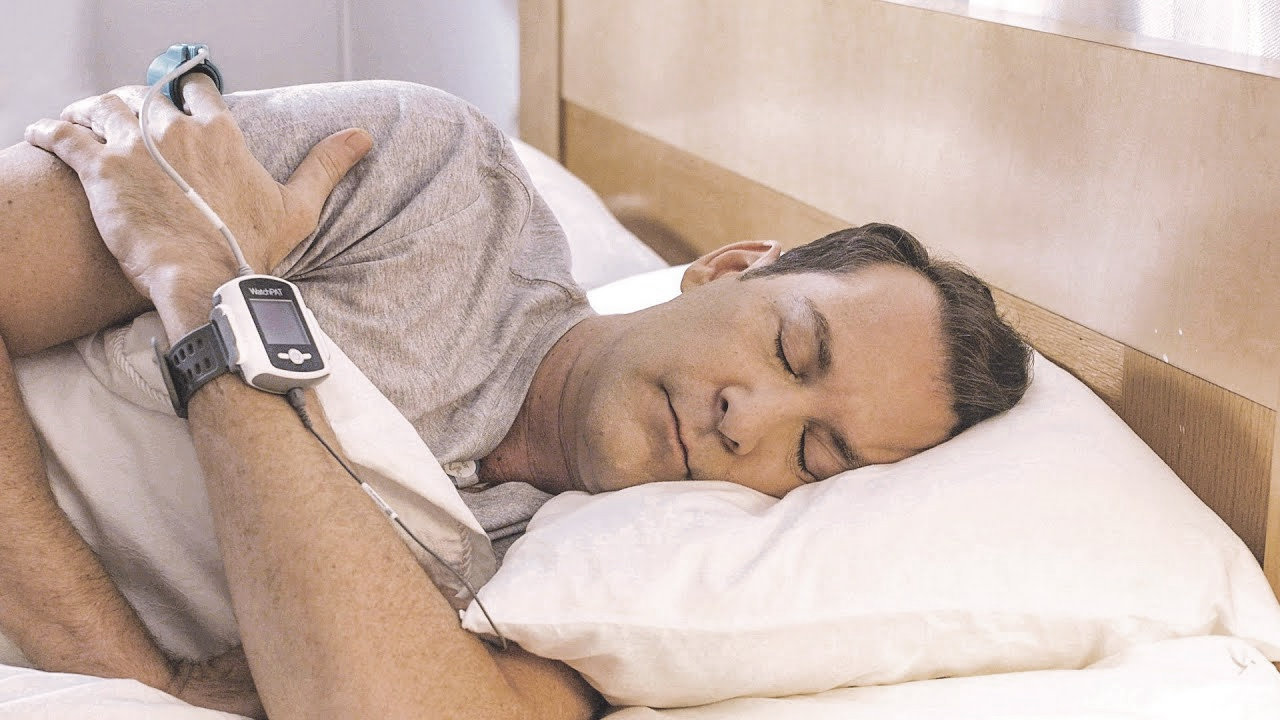
Home Sleep Apnea Testing in Australia: Convenience and Accuracy

Sleep apnea is a common sleep disorder that affects millions of people worldwide. It is characterized by pauses in breathing during sleep, often accompanied by loud snoring and gasping for air. This condition not only disrupts the quality of sleep but can also have serious health risks if left untreated. In Australia, home sleep apnea testing has emerged as a convenient and accurate way to diagnose this condition. Understanding Sleep Apnea Sleep apnea is a complex disorder that affects the respiratory system during sleep. It occurs when the muscles in the back of the throat fail to keep the airway open, leading to brief interruptions in breathing. These interruptions, known as apneas, can last for a few seconds to a minute and can occur multiple times throughout the night. The severity of sleep apnea is typically measured by the number of apneas per hour of sleep. Sleep apnea home test Australia has revolutionized the way sleep apnea is diagnosed in Australia. Its convenience, accuracy, and affordability make it an attractive option for individuals seeking to understand their sleep patterns and address potential health risks associated with sleep apnea. As technology continues to advance, home sleep apnea testing is likely to become even more accessible and user-friendly, ultimately leading to improved outcomes for individuals with sleep apnea. Individuals with sleep apnea may experience fragmented sleep patterns, leading to poor sleep quality and daytime fatigue. The repeated drops in oxygen levels during apneas can put a strain on the heart and other organs, impacting overall health and well-being. It is essential to diagnose and treat sleep apnea to prevent long-term complications. The Science Behind Sleep Apnea Sleep apnea can be broadly categorized into three types: obstructive sleep apnea (OSA), central sleep apnea, and complex sleep apnea syndrome (CSAS). OSA, the most common type, occurs when the muscles in the throat relax and block the airway. Central sleep apnea, on the other hand, is caused by a failure of the brain to signal the muscles to breathe. CSAS is a combination of both obstructive and central sleep apnea. Obesity, smoking, alcohol consumption, and anatomical factors such as a narrow airway or enlarged tonsils can contribute to the development of sleep apnea. Understanding the underlying causes of the condition is crucial in determining the most effective treatment approach, which may include lifestyle changes, continuous positive airway pressure (CPAP) therapy, or surgery in severe cases. Symptoms and Risks of Sleep Apnea Sleep apnea often goes undiagnosed as its symptoms are often attributed to other causes. Common symptoms include loud snoring, excessive daytime sleepiness, morning headaches, irritability, and difficulty concentrating. If left untreated, sleep apnea can increase the risk of various health problems such as high blood pressure, heart disease, stroke, and diabetes. Individuals with untreated sleep apnea may also be at a higher risk of accidents, as the daytime fatigue and impaired cognitive function associated with the condition can affect performance at work or while driving. Seeking medical evaluation for suspected sleep apnea is crucial…

Continue ReadingHome Sleep Apnea Testing in Australia: Convenience and Accuracy

Sleep Disorders Testing: Identifying the Root Cause of Your Sleep Issues

Do you often find yourself tossing and turning at night, unable to fall asleep? Or perhaps you constantly wake up throughout the night, leaving you feeling tired and sluggish during the day. If so, you may be one of the millions of people suffering from sleep disorders. Identifying the root cause of your sleep issues is the first step towards getting the restful and rejuvenating sleep your body and mind need. In this article, we will explore the importance of sleep, common types of sleep disorders, the science behind these disorders, the process of sleep disorders testing, and interpreting sleep study results. Understanding the Importance of Sleep Getting enough quality sleep is crucial for our overall well-being. Sleep plays a vital role in both our physical and mental health. When we sleep, our bodies undergo a complex series of processes that are essential for our well-being. Not only does sleep allow our physical bodies to rest, but it also provides an opportunity for our brains to consolidate memories, process emotions, and reset for the day ahead. The quality of our sleep directly impacts our cognitive abilities, emotional regulation, and overall performance in daily activities. In conclusion, sleep disorders can significantly impact our physical and mental health. Identifying the root cause of your sleep issues through the sleep disorders test is vital for appropriate diagnosis and treatment. By understanding the importance of sleep and the science behind sleep disorders, you can take steps towards achieving the restful sleep you deserve. The Role of Sleep in Physical Health Sleep is essential for the body to repair and rejuvenate itself. During sleep, our cells go into overdrive, repairing any damage, replenishing energy stores, and strengthening the immune system. Adequate sleep has been linked to a lower risk of obesity, heart disease, diabetes, and other chronic conditions. Furthermore, deep sleep stages are crucial for the body to release growth hormones that aid in muscle repair, bone density, and overall physical development. Without sufficient deep sleep, individuals may experience a decrease in physical performance, slower recovery from injuries, and a higher susceptibility to illnesses. The Impact of Sleep on Mental Well-being Sleep is equally important for our mental health. It helps regulate mood, improve concentration and productivity, and enhance cognitive function. Lack of sleep has been associated with an increased risk of anxiety, depression, and other mental health disorders. Moreover, during the rapid eye movement (REM) stage of sleep, our brains process information from the day, form connections between memories, and promote creative problem-solving. This stage is crucial for learning, emotional regulation, and maintaining optimal brain function. Disrupting REM sleep can lead to cognitive deficits, emotional instability, and a decline in overall mental well-being. Common Types of Sleep Disorders There are several different types of sleep disorders, each with their own distinct characteristics and symptoms. Let's explore some of the most common ones. Insomnia: More Than Just Trouble Sleeping Insomnia is a sleep disorder characterized by difficulty falling asleep or staying asleep. It can be…

Continue ReadingSleep Disorders Testing: Identifying the Root Cause of Your Sleep Issues